Inclusive and Participatory Urban Governance
At Cities4Children Kenya Alliance, children and youth are recognized as essential urban stakeholders. We champion good governance grounded in Participation, Equity, Transparency, and Accountability (PETA).
Our efforts support rights-based programming, empower youth engagement in county and national decision-making, advance child-friendly policies, strengthen protection mechanisms, and work to reduce inequalities in access to urban services such as housing, sanitation, health, transport, and education.Child-Centered Urban Planning, Design, and Mobility
We promote child-responsive urban planning and design by ensuring children’s voices are meaningfully integrated into planning processes, spatial plans, and urban development projects. Particular attention is given to neighborhood design, public and open spaces, and mobility systems.
The Alliance recognizes that in many Kenyan urban areas —especially in informal settlements—children largely walk to and from school using unsafe and poorly planned routes. We advocate for safer streets, inclusive public spaces, and urban designs that reflect children’s daily movement patterns, safety needs, and right to play.
Environment and Climate Change in Urban Settings
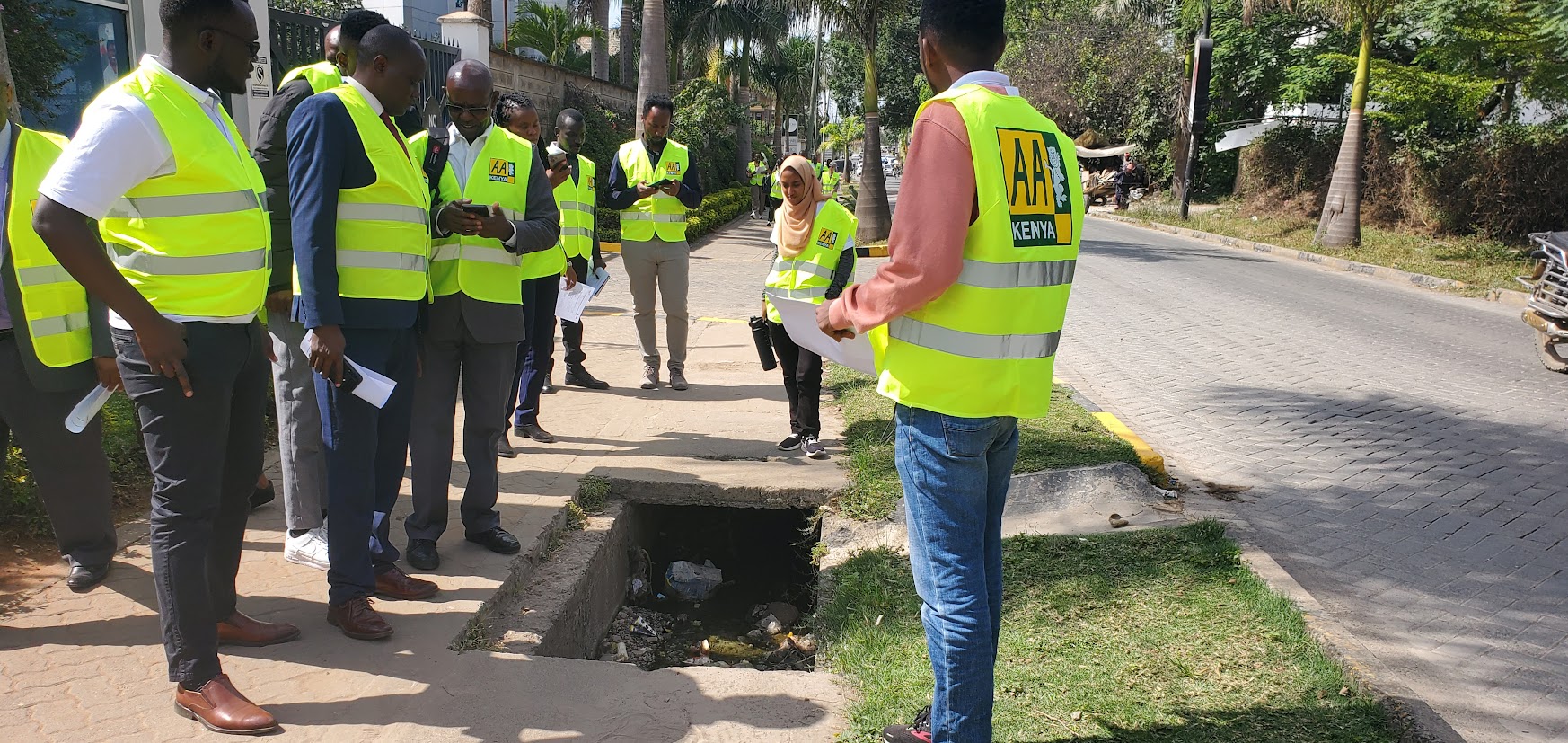
We address environmental and climate risks that disproportionately affect children in urban areas, especially those living in informal settlements. The Alliance promotes environmentally sustainable and climate-resilient urban development that safeguards children’s health and wellbeing.
Our work prioritizes urban climate actions related to flooding, air pollution, waste management, and access to green and blue spaces, ensuring that climate and environmental responses explicitly consider children’s vulnerabilities and capacities.
Policy Advocacy and Strategic Engagement
We undertake targeted advocacy to ensure child-responsive urban priorities reach the right decision-makers at county, national, and global levels.
The Alliance translates evidence, lived experiences, and community insights into clear policy messages that inform laws, plans, budgets, and investments.
Through policy briefs, structured dialogue, and high-level convenings, we influence urban governance processes and elevate children’s needs within development priorities.
Capacity Strengthening and Peer Learning
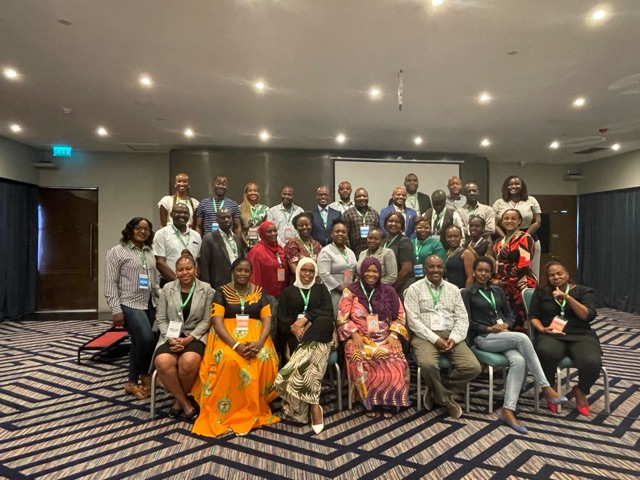
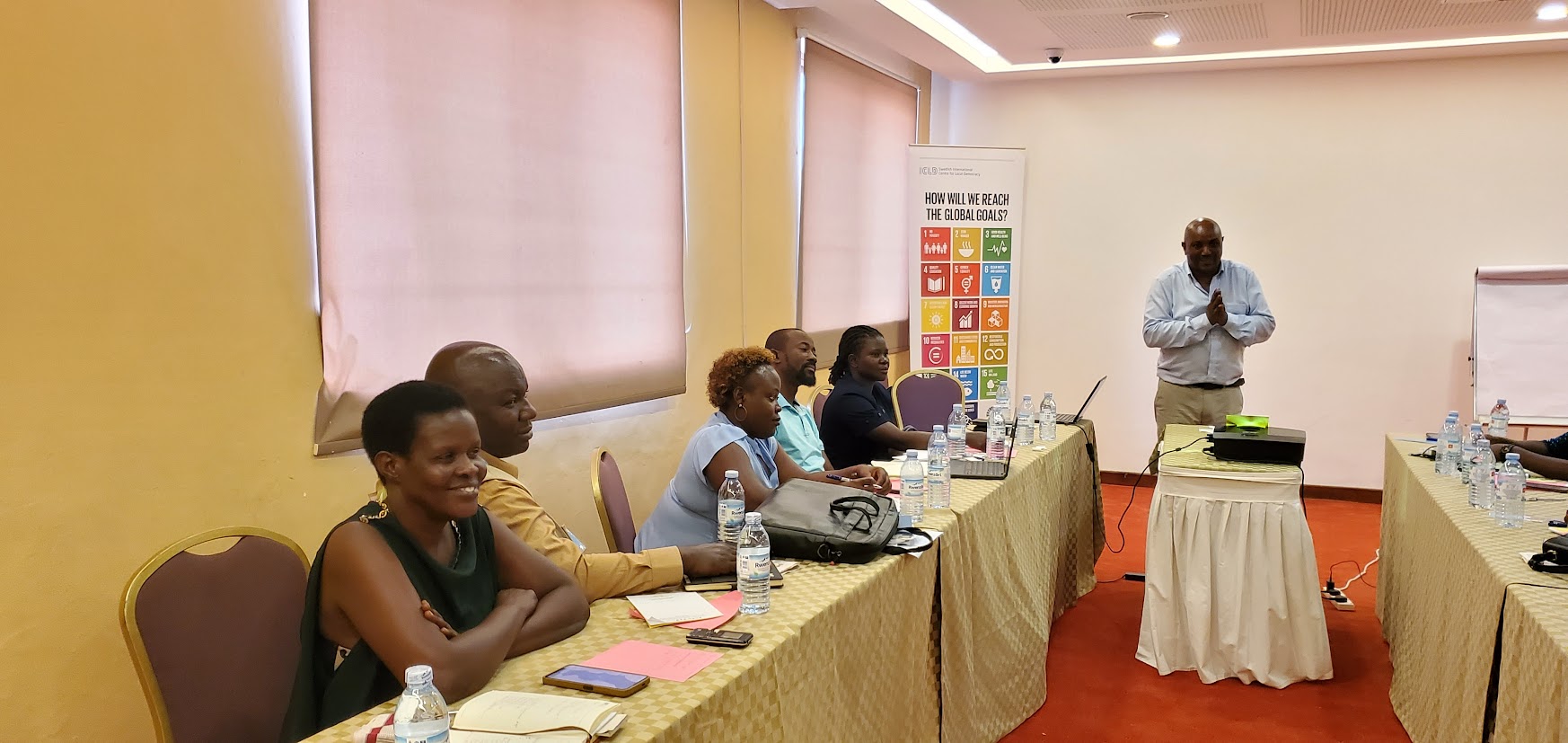
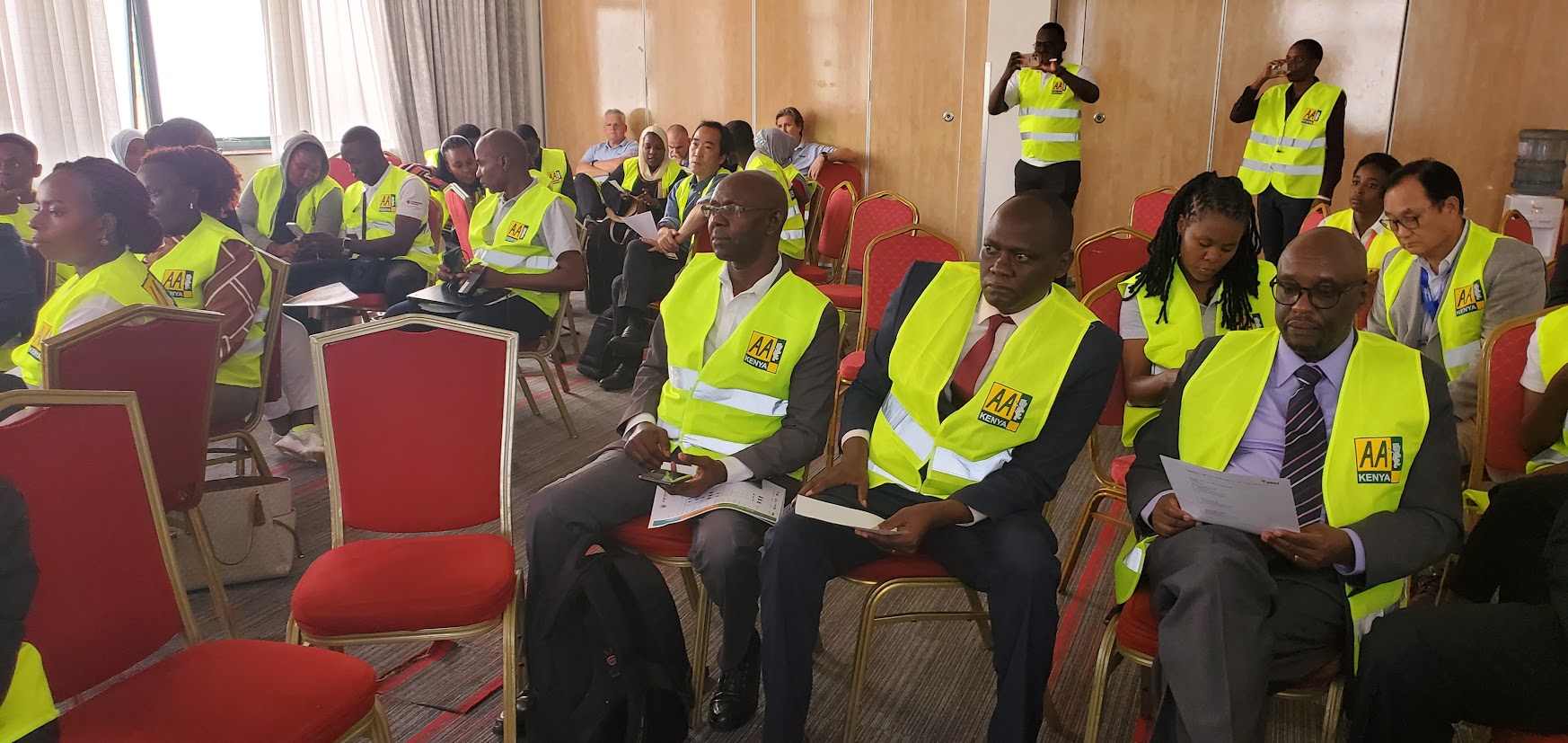
We strengthen the capacity of county governments, including elected leaders, urban authorities, civil society, and practitioners through training, peer-to-peer learning, and practical tools that support child-responsive planning, service delivery, and governance.
Research, Evidence, and Knowledge Sharing
We generate, synthesize, and disseminate evidence on children’s experiences in cities, with a focus on informal settlements and rapidly urbanizing contexts.
This evidence supports data-driven decision-making and adaptive urban practice.
Child and Youth Participation
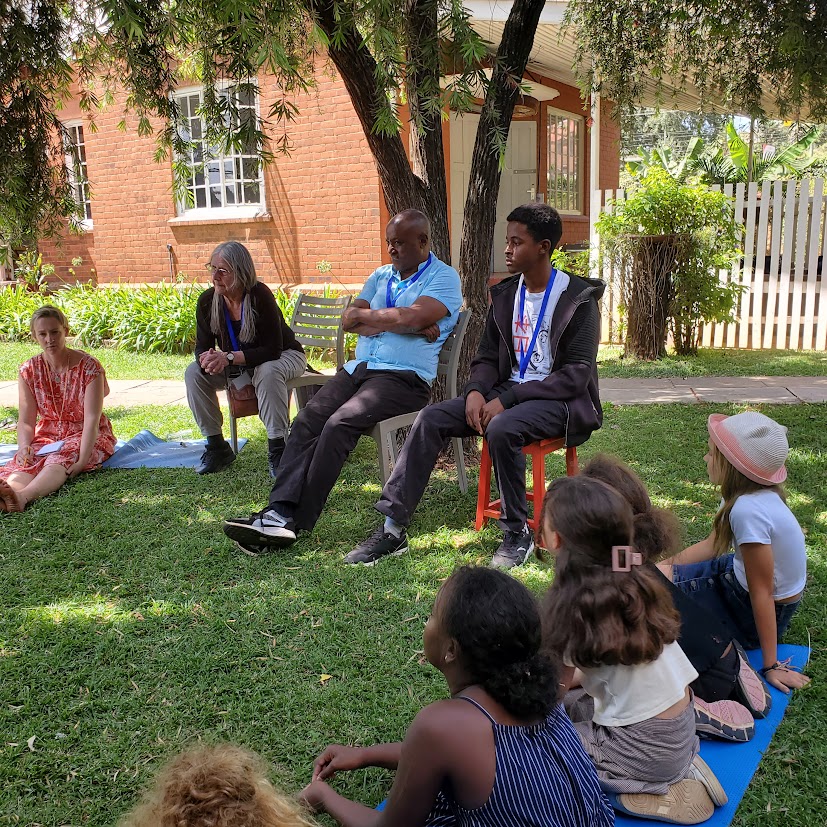
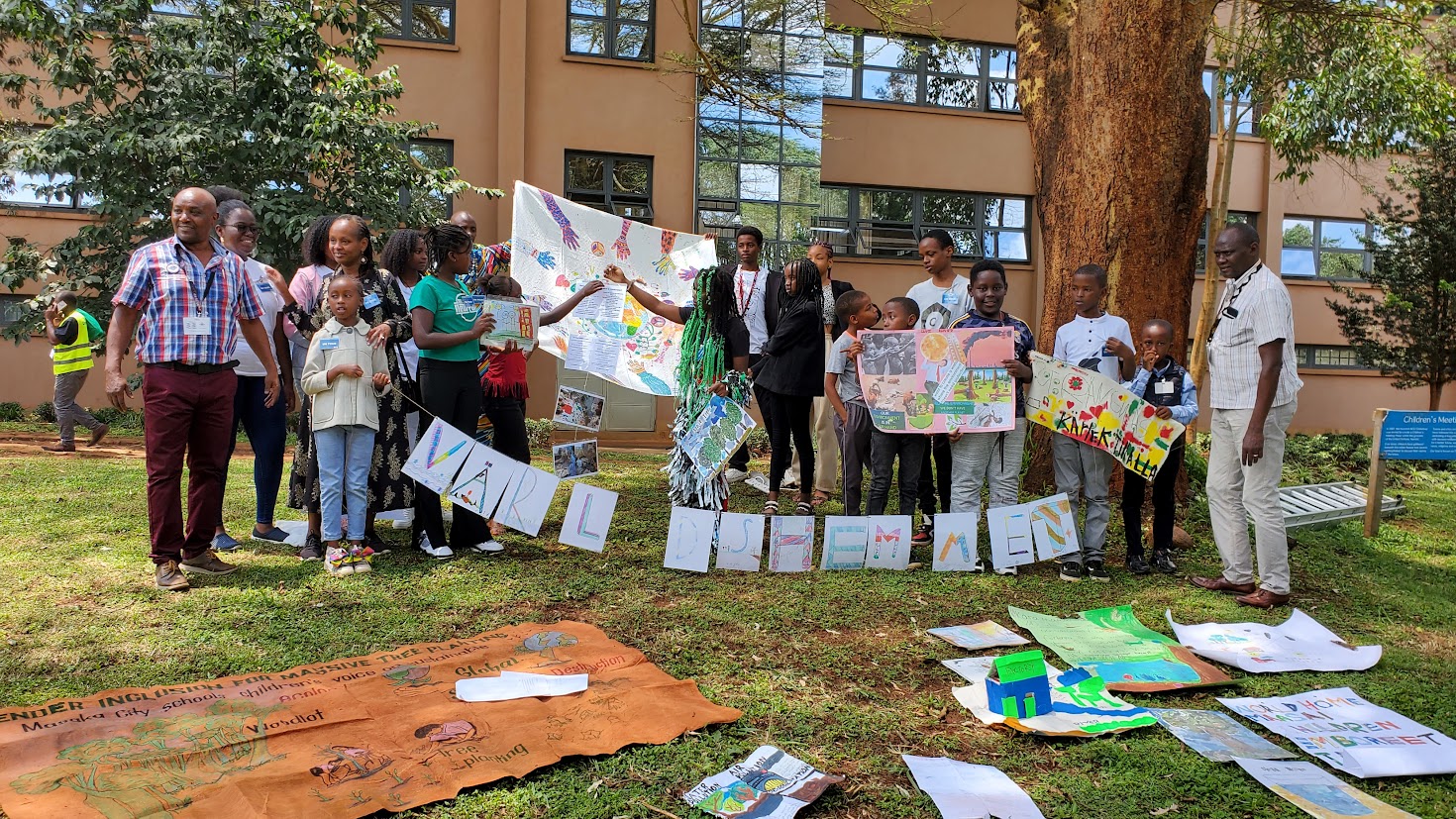
We promote safe, meaningful, and inclusive participation of children and young people in urban governance processes, ensuring their perspectives shape policies, plans, and investments that affect their daily lives.
Partnerships and Collective Action
As a convening platform, Cities4Children Kenya Alliance brings together governments, civil society, development partners, academia, and the private sector to align efforts, share learning, and scale effective child-responsive urban solutions.